


All posts

Shielding against scale-up risk in climate tech
The jump from your first climate project to running a real-assets platform of 10 or 20 projects in parallel comes with a range of risks that cut across all aspects of your business. Shielding against such scale-up risks means building the internal capability to deliver multiple projects at once and, more importantly, partnering with the right kind of growth investors who can provide not just capital but real support and expertise to help you navigate the leap, ultimately paving the way for access to cheap sources of non-dilutive (project finance or infrastructure) capital that supports build-out of the platform.
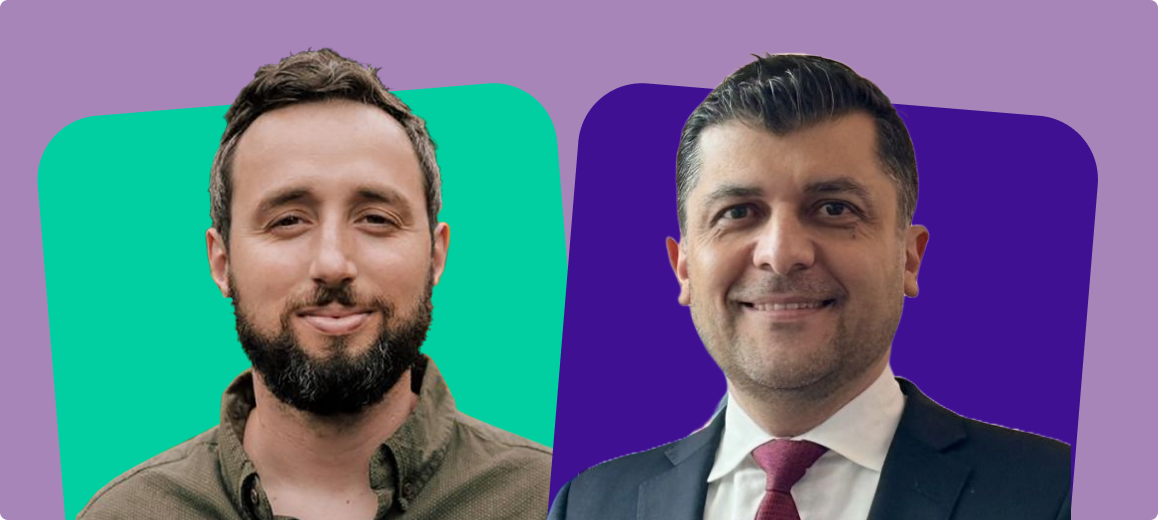
Mario Fernandez is Head of Breakthrough Energy Catalyst. We sat down with him to find out more about the scale-up risks climate tech companies face, and tactics for tackling these risks to win over infrastructure investors.
Scale-up risk and why it matters
For project developers, scaling up means more than adding one or two assets – it’s about proving that you can deliver 10 or 20 if you really want to attract infrastructure investors. At this scale, you can expect to experience all the pressure and challenges of your demo or FOAK project, but amplified, and coming from multiple directions at once.
Everything hinges on how you handle this scale-up risk. Internally, it matters because your employees’ equity and compensation depend on your ability to scale up. Externally, it matters to your VCs, who naturally want to back a business that scales, and growth investors, who are also backing you for your growth, not just one project. And for infrastructure investors, who are playing for the chance to provide very large tickets in 3-5 years, it will be significantly difficult to raise from them if you can't show a credible path to double-digit deployments.
Types of scale-up risk – and how to combat them
Execution risk
1. Team readiness
Execution risk begins and ends with people. Mitigation starts with ensuring you have the strongest team possible leading your projects. Are they seasoned professionals who’ve faced similar challenges before and learned all the hard lessons, or have they only experienced the first few years of a startup and never truly been tested? While you should have established a project execution team early to deliver your demo and FOAK facilities, to scale you’ll need to hire people with more established careers, deeper experience, and better connections.
This can be tricky, as it may have to involve replacing the people who have gotten you this far. Plus, don’t forget that taking stock of your team also includes you, and whether you’ve developed the qualities necessary to execute at this scale.
The right type of investors during the company’s growth can help you navigate the transformation of your team, enabling you to execute your initial commercial projects and open the door to a real-assets platform approach.
2. Delivery risk
Here, the keys will be strong community engagement – ensuring your project doesn’t get shut down because of backlash – and supply chain readiness, so you’re prepared for unexpected disruptions, such as tariffs.
In your first project, you might have had time to put out fires one at a time, but this won’t work when you’re scaling to 10. Rather than dealing with issues ad hoc, you’ll need to embed a proactive and systematic approach to dealing with risk. Investors familiar with growing real-assets platforms can help here too, sharing lessons learned and helping you institutionalize these proactive risk-management systems.
Technology risk
Your demo isn’t a trophy to show off; it’s a very expensive R&D exercise. From it, you should have extracted as much data as possible about how you can make the next projects better, cheaper, and faster, and locked down a fixed design that will give your investors essential visibility in cost and schedule.
When you bring this full post-mortem to investors, treat it like writing a retrospective investment memo. Be candid about where you underperformed and how you will solve that problem, as much as where you overperformed (with lower costs) and why you believe you can continue to do so. Not having clear and digestible data to present to a project investor will make you look wholly unprepared.
However, don’t take your own analysis for granted. As Mario writes in his piece about the 12 keys to scaling up, you can even have third parties validate your assumptions about your cost-down path to avoid missing the mark and losing investors’ trust.
Commercial risk
Commercial risk is curtailed by showing there is a ready market for your product. You should have sold some product from your demo and your first-of-a-kind should have had a bankable commercial offtake agreement. Ideally, you also layered tax credits, asset co-financing, or preferred equity to prove you have a financially viable commercial model. Operating on a merchant, non-bankable basis during your demo or FOAK should be avoided at all costs – this is not how you scale.
Plus, keep in mind that not just any sale is a good sale. The terms in your commercial agreements need to be well-defined and well-documented, not only around what you're selling, but how you're selling it, what you need from the counterparty, and how you’ll deliver it to the customer site. Most importantly, how much of the risk does your company bear versus the counterparty?
Lean on your growth investor who has the know-how to help structure your commercial agreements in a bankable manner and pressure-test your commercial model to ensure appropriate mitigations are put into place.
Financial risk
The scale-up phase should ideally be the last time your company needs venture capital before attracting infrastructure investors or project finance banks. So, venture and growth investors will want a high degree of certainty that an inflection point is around the corner and that the next round of funding will come from these cheaper sources of capital.
Ideally, this means your FOAK project should be backed by real-asset investors. But in today’s market, that gold-standard scenario is rare, so the next best thing is signed term sheets from investors for follow-on projects. If you were successful in your first project but lack these types of concrete offers or serious interest, it’s a huge red flag.
Mario Fernandez is a senior energy transition executive with significant experience developing and investing in energy infrastructure projects.
Prior to Breakthrough Energy, Mario was with Chicora Energy, an energy transition investment platform he co-founded focused on Latin America. Before Chicora, Mario was with Macquarie Capital serving as a Managing Director and Head of Latin America Energy Principal Investments Origination. Prior to Macquarie, Mario was the CFO for Trafigura’s US$1 billion Colombia fluvial logistics project. Mario also worked for several international financial firms, including ING Capital and Syncora Guarantee.
 Subscribe